Is Grounding Gear HSA or FSA Eligible?

Technically yes, for some of it. Practically, this matters less here than it does for expensive gear, and we would rather tell you that than pretend otherwise.
Here is the situation. Some brands, Hooga among them, let you check out with a health savings account or flexible spending account card through a payment company called TrueMed. If you qualify, you are spending pre-tax money, which works out to roughly 25 to 35 percent off depending on your tax bracket.
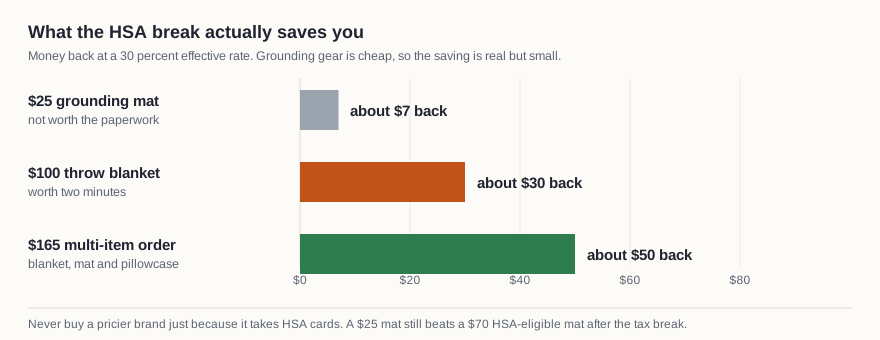
On a $25 grounding mat, that is about seven dollars.
Note, August 2026: this page used to point you at grounding sheets, and that route is closed. Hooga is the only brand we have verified offering TrueMed checkout, and Hooga has discontinued its grounding sheet and its starter kit. It sells no bed sheet in any size now. That matters here because sheets were the one purchase big enough to make the tax paperwork worth doing. The honest update is that the HSA angle on grounding got smaller, not bigger. We have rewritten the math below to match.
The Honest Math
Grounding is the cheapest intervention we cover on this site. That is one of the best things about it. A mat and an outlet tester will run you under $50 total, and the outlet tester is the only piece we consider non-negotiable.
Which means the HSA angle is real but small. Seven dollars back on a mat is not nothing, but it is not worth restructuring a purchase around, and it is definitely not worth buying a pricier brand just because that brand takes HSA cards. If a $25 mat and a $70 HSA-eligible mat both do the same job, the $25 mat still wins after the tax break.
Where it starts to be worth the two extra minutes at checkout:
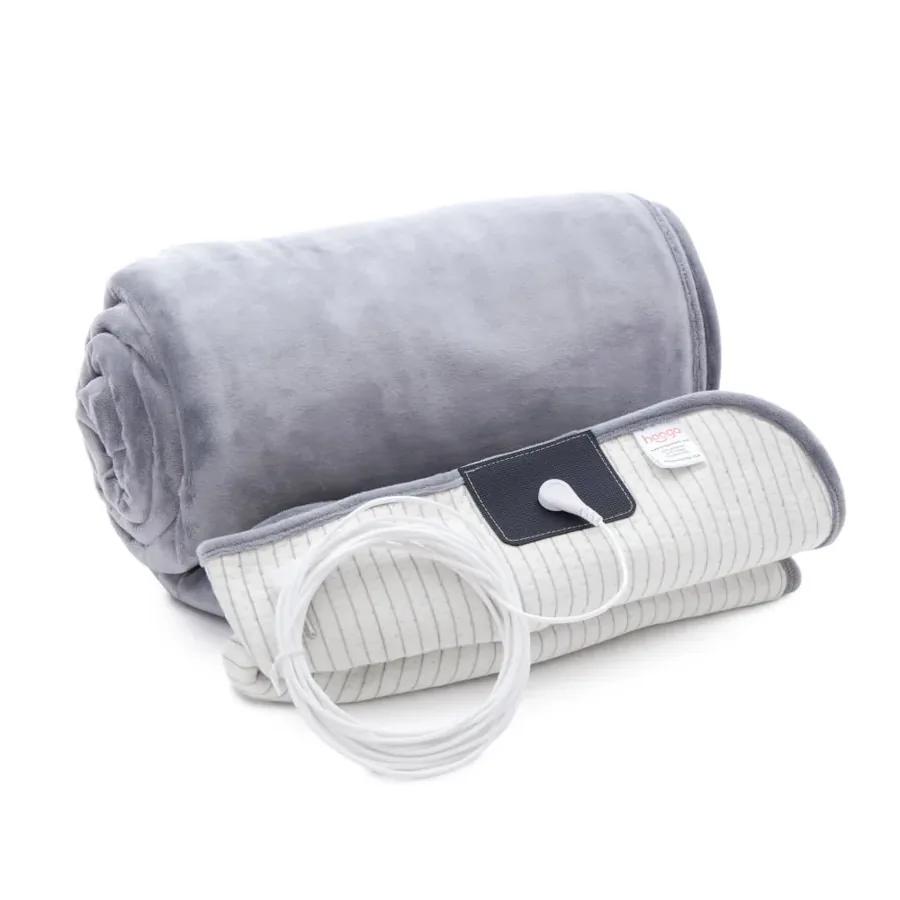
- A grounding throw blanket, $100, which is now the single most expensive TrueMed-eligible grounding item we can point you at
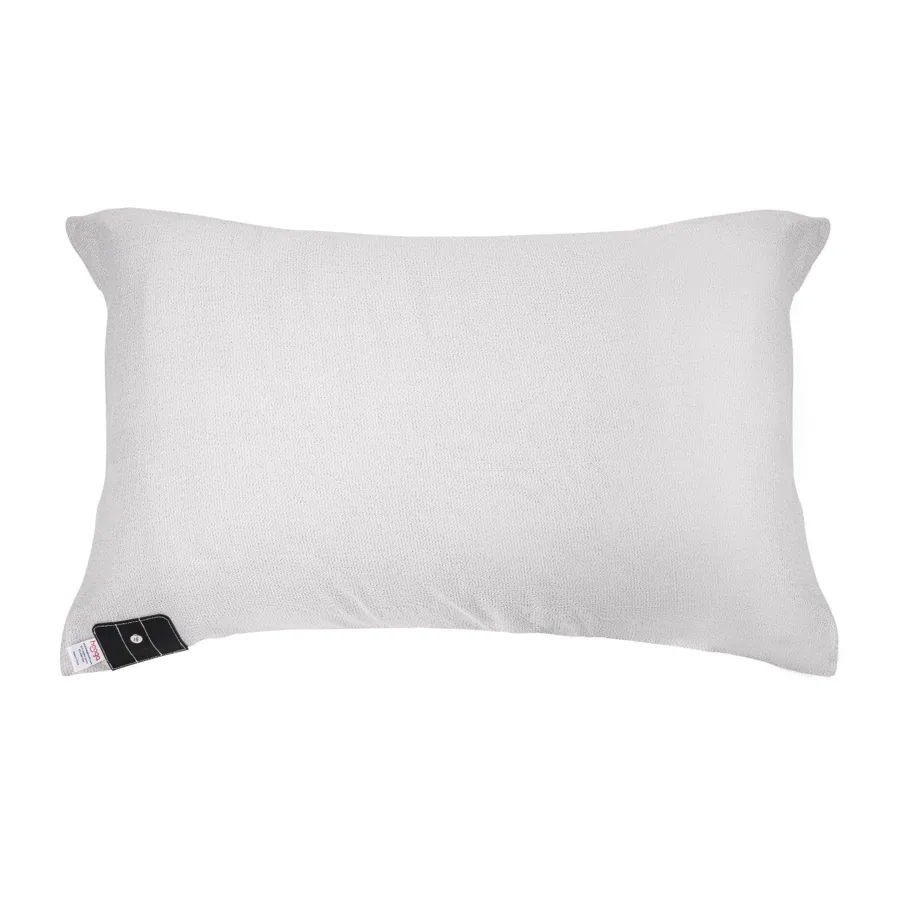
- A multi-item order rather than a single cheap one: blanket, mat, and pillowcase together come to roughly $165
- Anyone buying for two beds or a whole household
At $165, a 30 percent saving is about $50. That is worth two minutes. It is not worth buying things you did not want.
The number that used to sit here was $250, on the assumption you could buy a sheet, a mat, and a blanket from one TrueMed brand. You cannot any more, because the sheet is gone. The sheet we now recommend, from GroundLuxe, does not offer TrueMed checkout at all, so on that purchase this page does not apply.
How It Actually Works
HSA and FSA money is meant for expenses that treat, mitigate, or prevent a diagnosed medical condition. Grounding gear is not automatically that. TrueMed works with a network of licensed practitioners who review a short health survey you take at checkout, and if appropriate, issue a Letter of Medical Necessity. The letter is what makes it a qualified expense. It shows up in 24 to 48 hours and you hold it for three years.
The steps:
- Add gear to the cart, one-time purchase only, no subscriptions
- Skip Shop Pay, Apple Pay, and Google Pay entirely, they bypass the TrueMed option
- Select TrueMed at checkout
- Enter your HSA or FSA card, take the survey
- If approved, done, the paperwork comes to you
You can also pay by regular card and file for reimbursement afterward.
A Note on the Evidence
We think it is worth saying out loud: the research on grounding is thin. We cover that in detail on whether grounding works. Small studies, small effects, a lot of enthusiasm outrunning the data.
A practitioner issuing a Letter of Medical Necessity for grounding gear does not change that. It means the letter met the requirements of a tax process, not that the underlying science got stronger. Do not let a tax form function as evidence. Buy grounding gear because it is cheap and you want to try it, not because a form implied it is medically established.
Who This Excludes
HSAs generally require a high-deductible health plan. FSAs come through an employer and expire at year end. Self-employed with no HSA from prior work, you are out. United States only. And your plan administrator has the final say regardless of what any letter says.
Not every brand offers this. On this site we have verified Hooga does. The Amazon-sourced gear we link elsewhere does not, because Amazon checkout has no TrueMed path, and neither does GroundLuxe, our current sheet pick, which sells from its own store.
Bottom Line
If you are buying a full setup and you have HSA or FSA money, use it. If you are buying a $25 mat, just buy the mat and do not overthink it. This site exists to keep you from spending more than grounding is worth, and a tax break that talks you into a $165 purchase instead of a $25 one is not a saving.
We are not tax advisors and this is not tax advice. Confirm eligibility with your plan administrator.
Direct-purchase options that offer TrueMed checkout: grounding mat, grounding pillowcase, throw blanket. Before any of it, test your outlet.